Tennis
I play and teach tennis. I also built a small arcade tennis game.
About
Neural engineering, clinical experience, and medical education.
American Canyon, California
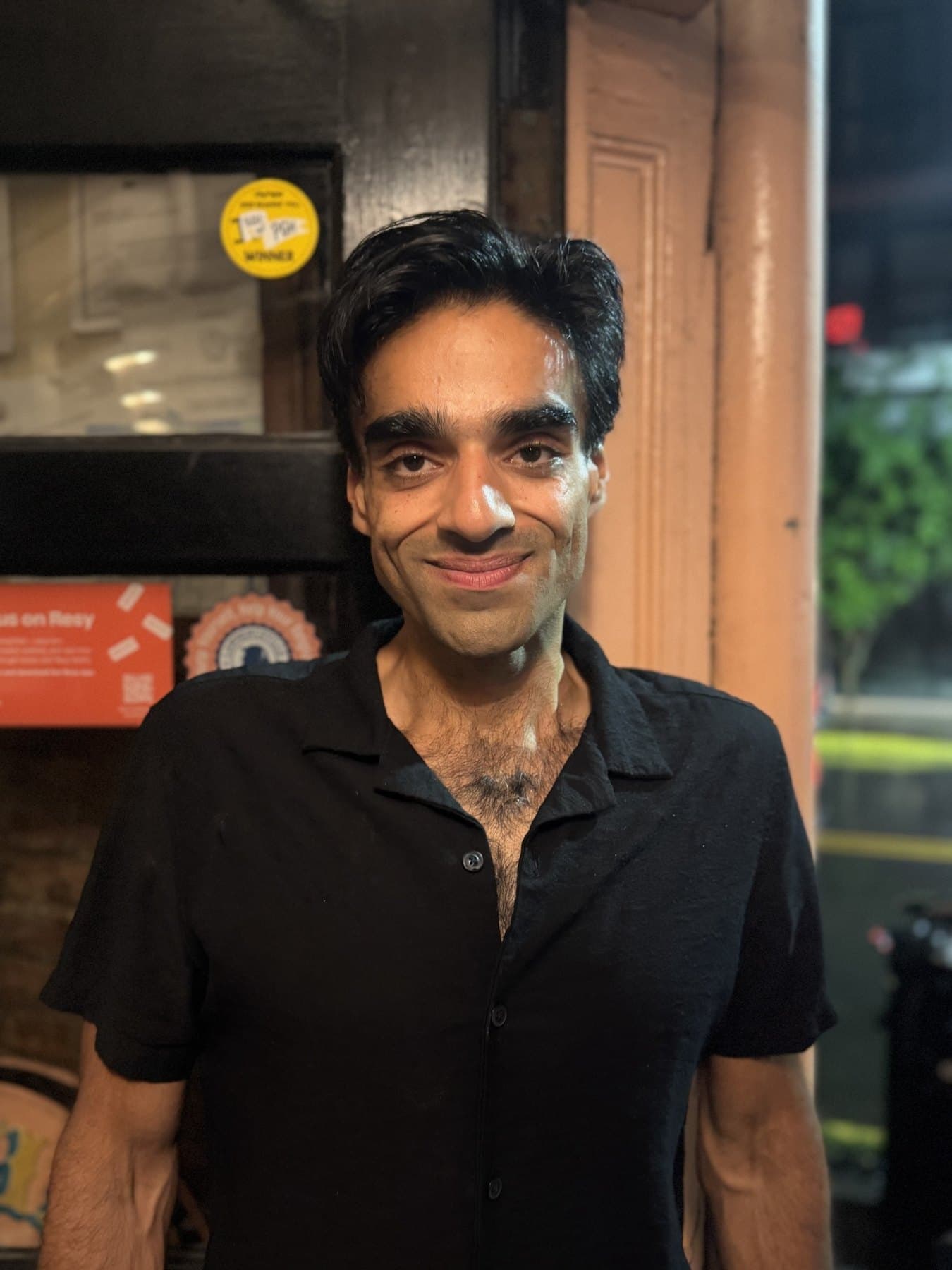
I earned my M.S. in Bioengineering at the University of Pittsburgh after studying chemical engineering at UC Berkeley. At Pitt’s Rehab Neural Engineering Labs, I worked with implanted brain-computer interface participants and redesigned a repeated tactile detection task as a game while preserving the two-choice measurement. At Wellesley, I co-authored two peer-reviewed reviews on active inference and neural computation.
I worked as an emergency department scribe at Saint Agnes Medical Center and volunteered in the Fresno VA emergency department. At UCSF, I translated study protocols and consent materials into workflows participants could use. In 2025, I shadowed interventional cardiology at UPMC Presbyterian and VA Pittsburgh and completed DO and public health coursework at Touro University California as a Mosaic Scholar.
I co-founded a nonprofit for low-income premedical students and taught and mentored MCAT students at Altius. I now build interactive tools for medical education, including VECTOR ECG for clinical reasoning and Ortho Lab for practicing fracture reduction. I also developed a trackside neurotrauma handoff framework and revised it after review by physicians and motorsport safety professionals.
View my CV →Personal projects
Some of my independent projects grew out of tennis and motorsport.
I play and teach tennis. I also built a small arcade tennis game.
I follow motorsport closely. That led to work on crash mechanics, neurological assessment, emergency operations, and medical handoff.
The Playground uses interactive models for anatomy, physiology, mechanical systems, and games.
Science writing
I wrote reported features for Physics World on neural engineering, brain–computer interfaces, and neuroimaging research.
Physics World contributor archive
See publications and research topics →
A reported research feature on DeepMReye, a neural-network approach that reconstructs gaze behaviour directly from MRI signals without a camera.
Read at Physics World : Deep neural networks track eye movements during MRI scansA reported research feature on a brain–computer-interface decoder designed to make point-and-click and click-and-drag computer control more accessible.
Read at Physics World : Novel decoder helps people with paralysis click-and-drag a computer cursor using just their thoughts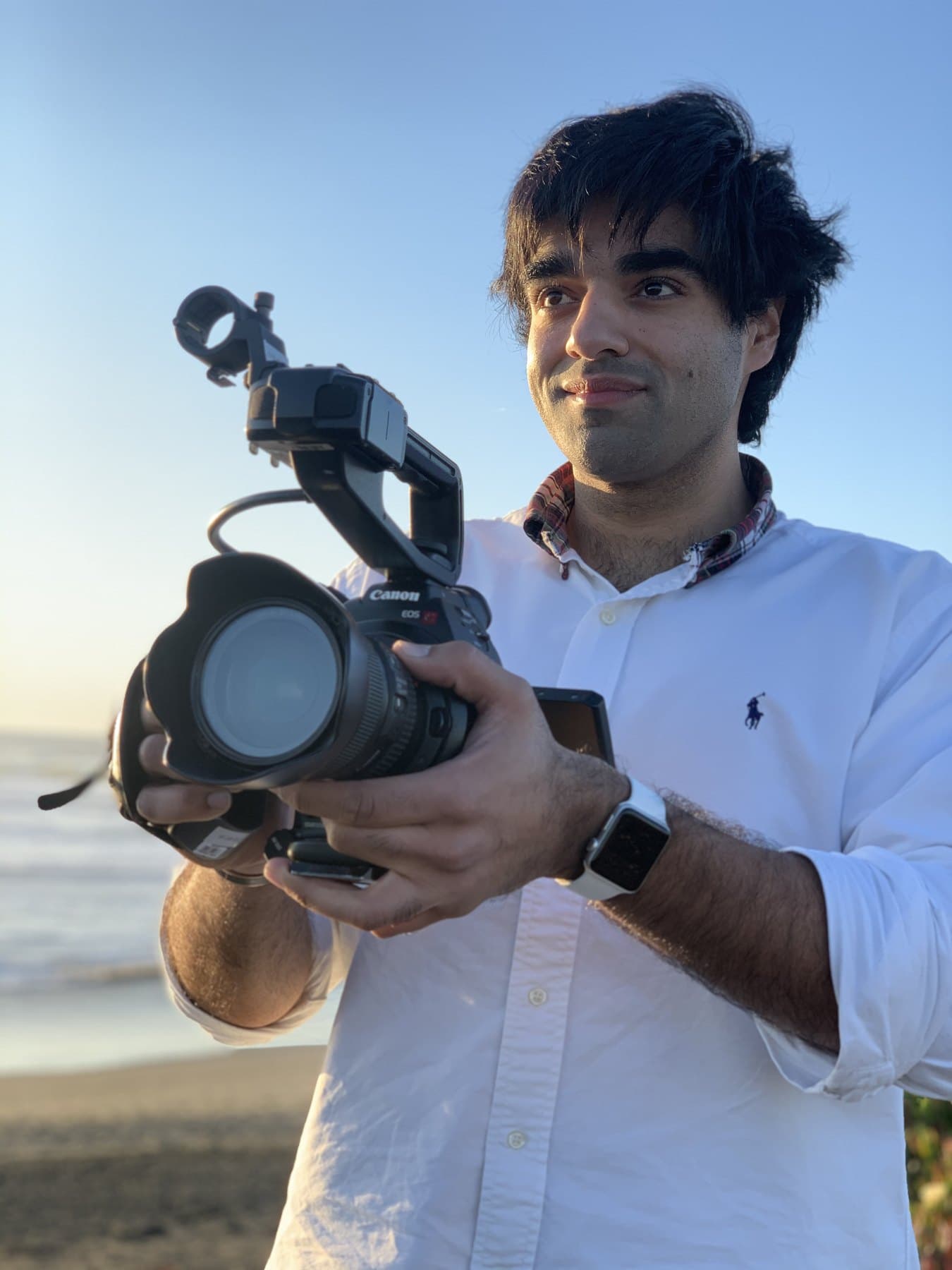
Outside work
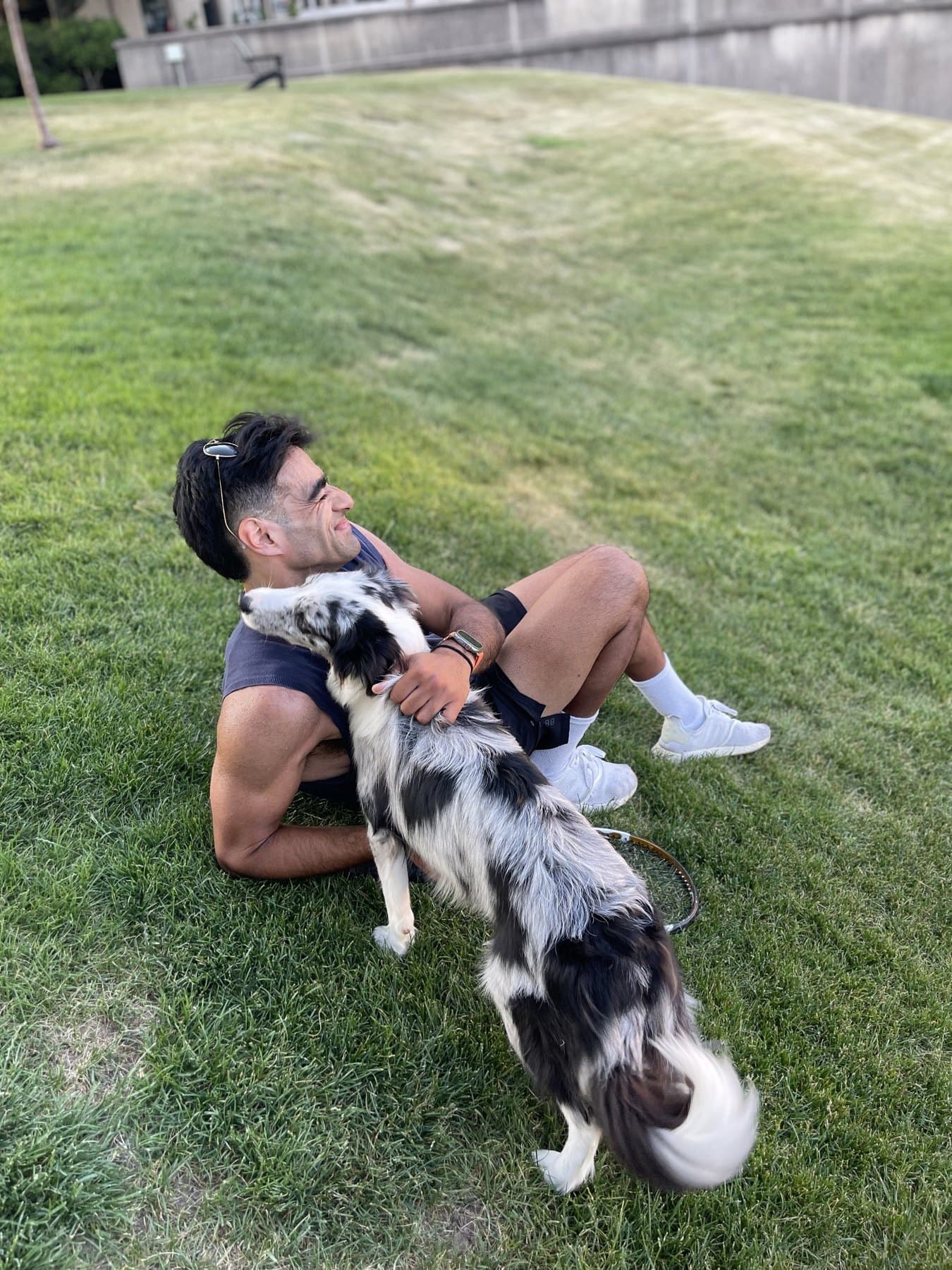
I play and teach tennis, cook often, follow Formula 1 and the Buffalo Bills, and spend a lot of time with interactive media and VR.
I also sketch and keep a camera around.